
2026-09-09 · Tara Hendricks
Common Causes of Uneven Heating in Windsor Homes
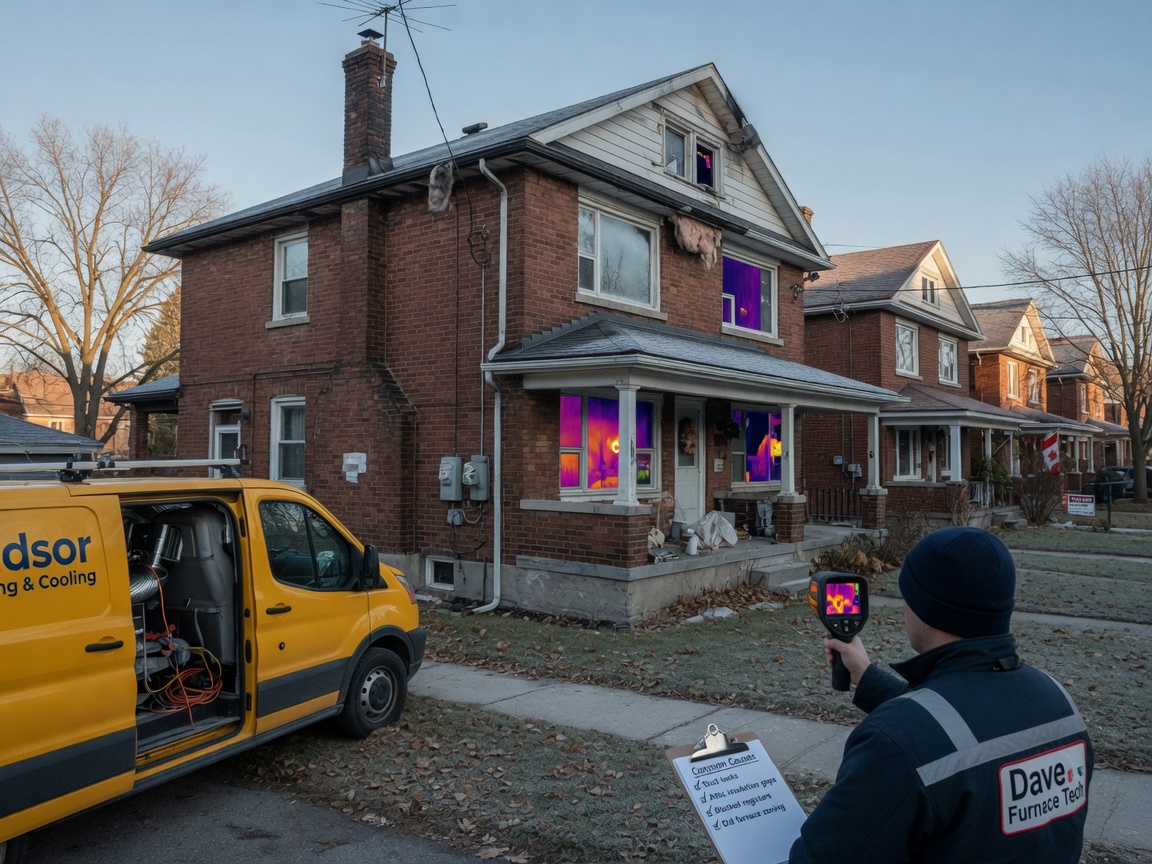
Duct leaks, inadequate insulation, and thermostat placement rank as the leading causes of uneven heating in Windsor homes, particularly in neighborhoods like Downtown Windsor and Water Valley where older housing stock meets Weld County's cold winters.
Ductwork Leaks and Design Problems
Many homes in Windsor feature duct systems routed through attics or crawl spaces that develop leaks over time. These gaps allow conditioned air to escape before reaching distant rooms, creating hot and cold spots throughout the house. In semi-arid conditions with frequent temperature swings between cold winters and warm summers, expansion and contraction accelerate wear on joints and seals. Homeowners often notice the issue first in upper levels or rooms farthest from the furnace. Regular inspection of accessible ducts helps identify these problems early. Heating maintenance can pinpoint and seal leaks before they drive up energy use during peak winter demand.
Insulation Shortfalls in Attics and Walls
Windsor homes built before modern energy codes frequently lack sufficient attic insulation, allowing heat to rise and escape through the roof. Walls with settling or missing insulation create pathways for cold air infiltration, especially in single-story ranch styles common around Boardwalk Park. The region's dry climate can dry out older insulation materials faster, reducing their effectiveness over 15 to 20 years. This leads to uneven temperatures where south-facing rooms warm faster while north-facing spaces stay chilly. Adding targeted insulation in problem areas restores balance without full system replacement. Addressing these gaps improves comfort during the long heating season in Weld County.
Thermostat Placement and Calibration Issues
Thermostats mounted near windows, in direct sunlight, or on exterior walls often misread room conditions, causing the system to short-cycle or overheat some zones while underheating others. In Water Valley homes with open floor plans, a single thermostat may not capture temperature variations across different levels or orientations. Calibration drift occurs naturally after 8 to 12 years, leading to inaccurate readings that affect the entire heating cycle. Relocating the device to an interior wall or upgrading to a zoned control system corrects these imbalances. Thermostat installation ensures accurate sensing tailored to local weather patterns.
Furnace and Blower Imbalances
Furnaces sized too large for the home or with dirty blowers deliver inconsistent airflow, starving some rooms while over-pressurizing others. In Fort Collins and Greeley border areas, dust from agricultural activity clogs filters and coils faster, reducing efficiency during extended cold snaps. Restricted airflow through undersized returns or blocked registers compounds the problem in multi-story homes. Technicians check blower speed settings and heat exchanger condition to restore even distribution. Furnace repair addresses these mechanical causes directly. What influences furnace repair costs in northern Colorado outlines typical factors homeowners encounter in this climate.
Seasonal and Local Construction Factors
Windsor's cold winters combined with semi-arid air create rapid heat loss through unsealed penetrations common in ranch-style homes near Windsor Lake. Older Downtown Windsor properties often have mixed construction that responds differently to temperature changes than newer builds in Water Valley. These realities mean even well-maintained systems can show uneven performance without adjustments for local conditions. Homeowners benefit from annual checks before winter arrives to maintain consistent warmth across all rooms.